About us
Know more about us
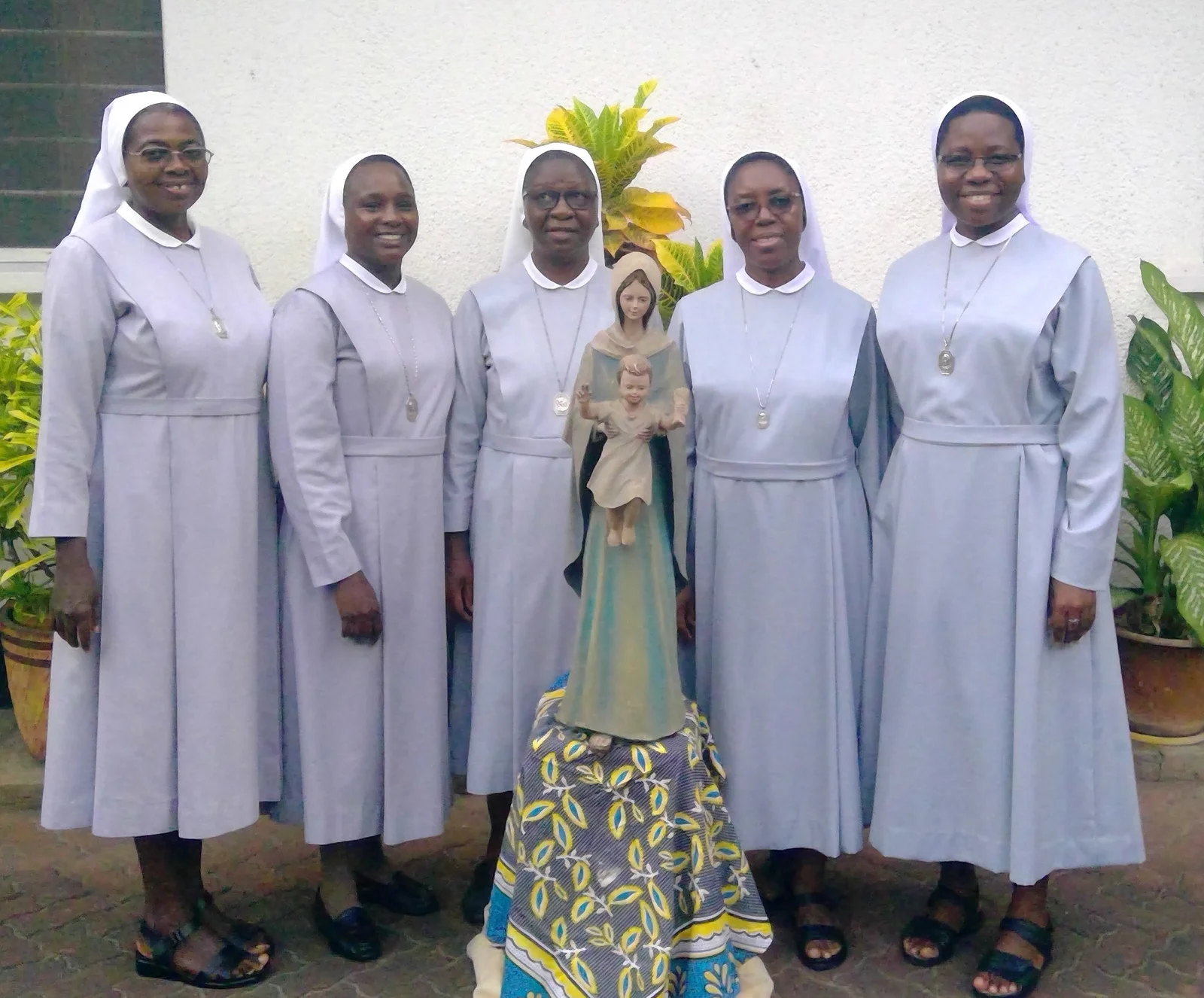
Canossian Daughters of Charity servants of Poor
St. Magdalene of Canossa
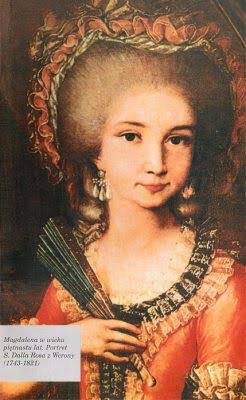
Magdalene in her youth age
Canossian comes from the family name of Magdalen of Canossa.
Magdalen, was second child of this noble, wealthy and well-known family. When she left the family palace to follow her heart, her vision and her God, the people continued to refer to her as one of the “Canossa’s”, a nickname which stuck and was eventually transferred, by the people, to those who followed her: Canossians i.e. Magdalen’s Sisters.
Daughters of Charity our name says something about who we are and what we are called to do. In the mind of St. Magdalen, the name Daughter of Charity highlights the fact that we are Daughters of a God who is love (charity). Being a daughter of love, we are called to respond to God’s love by giving love in return: both to God and our brothers and sisters. This name is a daily reminder to live the spirit of Jesus and the gospel
Magdalene was born in Verona, in the palace of the Marquises of Canossa, on 1st March. Great future promises and also deep sufferings marked her childhood and adolescence “separation” from her father will be her cross and her school of life.The death of her father, the Marquis of Canossa was a great loss for the young Magdalene, who became orphaned of the father figure at such a young age.Magdalene was abandoned by her mother, Magdalene’s mother, Marques Teresa Canossa Szluha, remarried the Marquis Odoardo Zenetti of Mantua and left her five children at Canossa Palace. Magdalene and her sister Laura were entrusted by their uncle Gerolamo (brother of her father Ottavio) to the French governess Francesca Marianna Capron.A mysterious illness: Maddalena, an adolescent in the flower of her youth, became gravely ill. She was able, however, to recover from the illness and overcame this great personal crisis maturing the intention to consecrate herself to God.
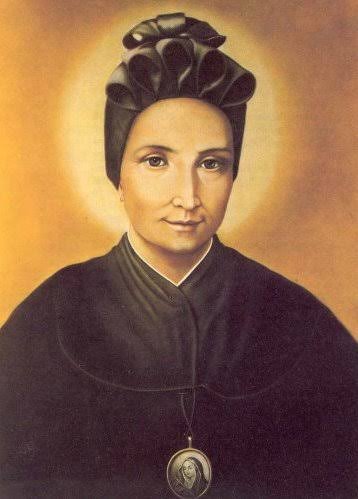
St .Magdalene of Canossa is our Mother Foundress
An experience in the Cloister in Verona: Magdalene asked her uncles to withdraw for some time in the convent of the Discalced Carmelites of St. Teresa in Piazza Cittadella (Verona); after about ten months she returned to her family. Brief experience among the Carmelites in Conegliano (Treviso): Strongly attracted to the consecrated life, Magdalene returned to the monastery for a second time, but after a few days she returned to her family. However, the Love of God was her only certainty and she continued her search for His will guided by Don Luigi Libera.By order of her uncle Gerolamo and in agreement with her Spiritual Director, Magdalene took over the running of the Canossa house.Magdalene had some strong mystical experiences that would mark her personal and spiritual journey and would indicate her future mission.Refugee in Venice with her family: In Verona it was a period of strong social tension and Magdalene of Canossa, fearing the arrival of the French and wanting to protect the lives of her younger sisters and her brother Bonifacio, took refuge in Venice.
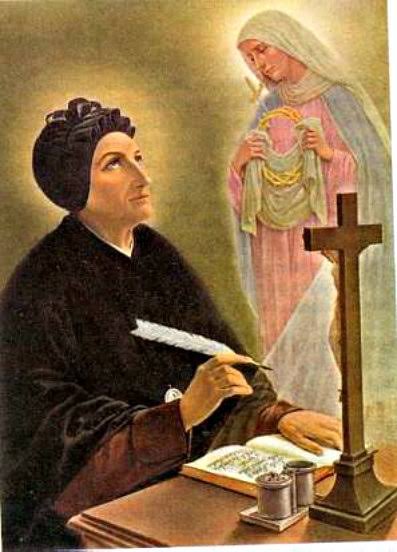
writing the rule of life
Magdalene had some strong mystical experiences that would mark her personal and spiritual journey and would indicate her future mission.Refugee in Venice with her family: In Verona it was a period of strong social tension and Magdalene of Canossa, fearing the arrival of the French and wanting to protect the lives of her younger sisters and her brother Bonifacio, took refuge in Venice.On 1st June, the French troops entered Verona.Magdalene began to realize her dream and on 8th May the Institute of the daughters of Charity was born, with the opening of a school for the poor girls of Verona. For Magdalene, being among the people, offering the poor culture and faith, giving comfort and consolation in the trials of life made her desire to “make the Lord known” concrete.
The second Canossian House opened in Venice in 1812 on 1st August, at the request of the Count Cavanis brothers and Don Piazza, who were clamouring for the foundation of a Canossian community in the lagoon city. Magdalene thus moved from Verona to Venice. The Canossian Sisters also began their work in hospitals, to offer care and assistance to the sick.The ecclesiastical authorities approved the order of the “Secular Tertiaries” of the daughters of Charity.Pope Leo XII, with the decree “Si nobis”, officially the Rule and Institute of the daughters of Charity.
After a life dedicated to the poorest and the least fortunate, Magdalene’s earthly life ended in Verona. Just sixty years old, Magdalene passed away after having devoted all her strength to personally accompanying the communities of Verona, Venice, Milan, Bergamo and Trento. Her joy was to see the Work of the Lord flourish.Moved by the strength of Magdalene’s charism, the Canossian communities of Pavia and Venice look towards the East, to open new roads for the Gospel in which the Foundress believed so much.On a cold day, 7th December, a new sun arose: Magdalene of Canossa was proclaimed Blessed by Pope Pius XII.On 2nd October, Magdalene of Canossa was solemnly canonized in Rome: the holiness of her life was officially recognised.